Three Financial Statements for Small Business That Tell the Real Story of Your Company
Most business owners didn't start their company because they love financial statements. They started because they had an idea. They saw an opportunity. They wanted to build something meaningful. Yet at some point, every business owner discovers the same truth: growth is exciting, but understanding your numbers is essential.
ProFed sat with Jane Rich, our Business Loan Specialist, to discuss the key financial concepts business owners need to know to help ensure positive financial growth. Over the years, Jane has spoken with many business owners who can tell you exactly how many employees they have, which customers are growing, and what projects are on the horizon. But when it comes to understanding the business's financial health, the conversation often becomes less certain.
That's understandable. Financial statements can feel intimidating, especially when you're focused on serving customers, managing employees, and keeping operations running smoothly. The good news? You don't need an accounting degree to understand your business's financial story.
In fact, most of that story can be found in three reports: the Balance Sheet, the Income Statement, and the Cash Flow Statement. Think of them as three different lenses that help you see your business more clearly. Let’s get started.
The Balance Sheet: Where Do We Stand Today?
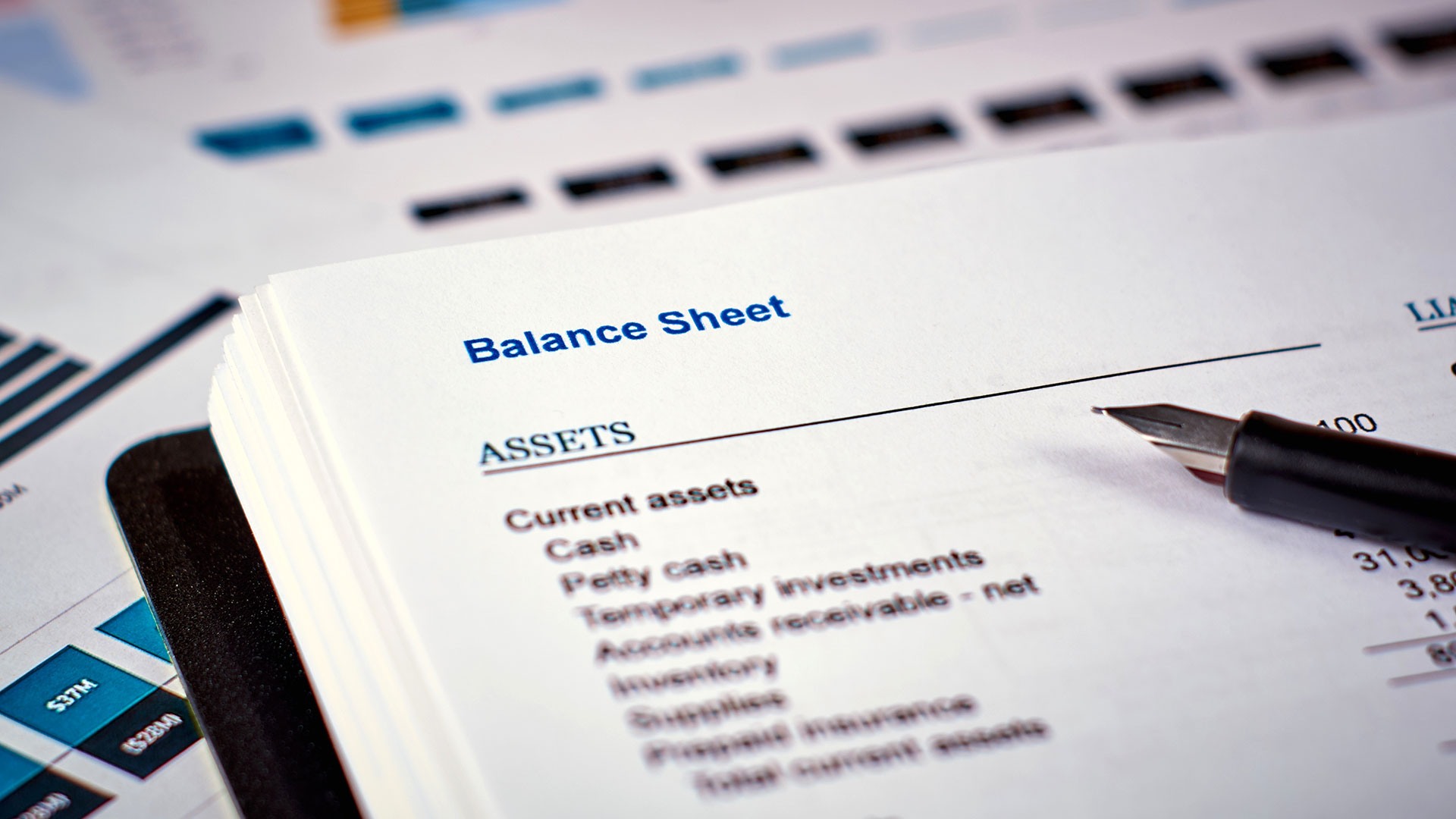
Imagine walking into your business after hours and taking a complete inventory of everything you own and everything you owe. That's essentially what a balance sheet does: it shows a company's assets, liabilities, and shareholders' equity at a specific date.
Unlike reports that measure performance over time, the balance sheet provides a snapshot of your business at a specific moment. That's why you'll typically see the words "As Of" at the top of the report.
It answers three important questions:
- What does the company own?
- What does the company owe?
- What remains for owners and shareholders?
The things your business owns are called assets. These include cash in the bank, inventory on the shelves, money customers owe you, equipment, vehicles, buildings, and other resources that help the business operate.
In general, current assets are expected to be used or converted within a year, whereas fixed assets, such as equipment, vehicles, and buildings, support the business over the long term. The things your business owes are called liabilities. These include vendor invoices, lines of credit, business loans, and other financial obligations, with current liabilities due within one year and longer-term items such as bonds payable.

The difference between those two numbers is your equity, sometimes called net worth. More specifically, owners' equity, or shareholders' equity, is the residual interest after deducting liabilities from assets.
A simple way to think about it is in terms of your personal finances. If you own a home, a vehicle, retirement accounts, and savings, but also have a mortgage and other debts, your personal net worth is what's left after subtracting what you owe from what you own. The same principle applies to a business. In other words, the accounting equation is assets = liabilities + owners' equity.
A healthy balance sheet can reveal a great deal about a company's stability. It shows whether the business has sufficient resources to support growth, withstand unexpected challenges, and invest in future opportunities, and clarifies its capital structure and overall financial position.
The Income Statement: Are We Making Money?
If the balance sheet is a snapshot, the income statement is more like a movie. It tells the story of what happened over an accounting period—whether that's a month, quarter, or year—and the company's income statement reports revenues, expenses, and net income for that period.
You may also hear it referred to as a Profit and Loss Statement or simply a P&L. This report starts with revenue, the money your business earns from its primary activities. Whether you call it revenue, sales, or income, it represents your company's revenues and the value you're creating for customers.
From there, the report subtracts the direct costs of producing your products or delivering your services. These costs are commonly known as Cost of Goods Sold, or COGS.
What's left is called gross profit. Gross profit is revenue minus cost of goods sold, before operating expenses. This number is important because it shows how efficiently your business generates value before operating expenses are factored in.
Next come the expenses associated with running the business—rent, insurance, payroll, marketing, utilities, software subscriptions, and other day-to-day costs. Gross profit minus those operating expenses leaves operating income.
After all expenses have been accounted for, you're left with net income, often referred to as the bottom line, or net profit after all expenses, taxes, and interest. Interest income can also affect final earnings as a non-operating item. Net income is the number many owners focus on first because it answers a straightforward question: "Did we make money?"
While profitability is certainly important, no single financial statement tells the entire story. That's where the third report becomes incredibly valuable.
 The Cash Flow Statement: Where Did the Money Go?
One of the most common frustrations among business owners sounds like this: "We had a great month. So why does it feel like there's no cash in the bank?"
The answer is usually found in the cash flow statement. Cash flow is different from profit.
A business can appear profitable on paper while simultaneously struggling with cash shortages. This happens because some small businesses use cash-basis accounting, while others use accrual accounting, creating timing differences between recorded results and actual cash movements.
For example, you may record a sale today but not receive payment from the customer for 30 or 60 days. Offering early-payment discounts can improve collections and cash timing. Likewise, you may purchase equipment or inventory that consumes cash immediately but affects profitability differently over time.
The cash flow statement follows the actual movement of money.
The cash flow statement shows where the company's cash came from, where it went, and what remained across operating, investing, and financing activities. In investing activities, a cash inflow may come from selling assets or investments, while a cash outflow may go toward equipment or other long-term purchases.
Regular monitoring supports healthy cash flow and helps prevent cash shortages. This report can reveal whether growth is generating healthy cash flow or simply adding strain on the business, which is key to the business and the company's financial health.
For owners planning to hire employees, expand facilities, purchase equipment, or secure financing, understanding cash flow is often just as important as understanding profitability, helping them make smarter financial decisions.
After all, businesses don't pay bills with accounting profits; they pay bills with cash.
 Why These Reports Matter More Than Ever
In today's business environment, decisions often need to be made quickly.
Should you hire another team member? Can you afford that new piece of equipment? Is it time to expand? Should you seek financing? Lenders use these reports to assess creditworthiness and risk levels.
The answers are rarely found in your gut alone. They're found in your numbers. The three main financial statements are the balance sheet, income statement, and cash flow statement. The Balance Sheet shows where you stand and provides valuable insights into your company's financial health. The Income Statement tells you how you're performing. The Cash Flow Statement tells you how money is moving through your business.
Together, these important financial statements support financial reporting and provide a complete picture for any small business. Create a budget listing all income and expenses. Review it regularly to reflect current conditions and adjust it for changes in sales or unexpected costs.
The most successful business owners aren't necessarily accountants. They simply understand how to read the story their numbers are telling them. And when you understand that story, keep personal and business finances separate for clearer reporting and smarter financial decisions.
 Key Takeaways for Business Owners
Understanding your financial statements isn't just an accounting exercise. It's a critical part of running a successful business. While many owners focus on sales, customers, and operations, the numbers behind the business often tell the most important story.
The Balance Sheet provides a snapshot of what your business owns and owes. The Income Statement measures profitability over a specific period. The Cash Flow Statement shows how cash moves in and out of the business and helps explain why a profitable company may still experience cash shortages.
Together, these reports provide a complete picture of your company's financial health, helping you make informed decisions about growth, hiring, equipment purchases, financing, and long-term planning. By understanding these three financial statements, business owners can move beyond intuition and make decisions with greater confidence and clarity.
After reading this article, if you’d like additional assistance or want to schedule time with our Business Development Officer to discuss your day-to-day questions, financial statements, loans, or any other essential items to help move your business forward, please click here to book an appointment.
 Frequently Asked Questions
What are the three main financial statements every small business should understand? The three primary financial statements are the Balance Sheet, Income Statement (Profit & Loss Statement), and Cash Flow Statement. Together, they provide a comprehensive view of a company's financial health, profitability, and liquidity.
What is the purpose of a balance sheet? A balance sheet shows what a business owns (assets), what it owes (liabilities), and what remains for the owners (equity) at a specific point in time. It provides a snapshot of the company's financial position.
What is the difference between a balance sheet and an income statement? A balance sheet shows a company's financial position on a specific date. At the same time, an income statement measures financial performance over a period of time by tracking revenue, expenses, and net income.
Why is cash flow important if my business is profitable? Profitability and cash flow are not the same thing. A business can report strong profits while still experiencing cash shortages if customer payments are delayed, inventory levels increase, or large purchases consume available cash. Cash flow helps ensure a business can meet its financial obligations.
How often should I review my financial statements? Most business owners should review their financial statements monthly. Regular reviews help identify trends, manage cash flow, monitor profitability, and make proactive business decisions before problems arise.
What financial statement do lenders look at when evaluating a business loan? Lenders typically review all three financial statements. The balance sheet helps assess financial stability, the income statement demonstrates profitability, and the cash flow statement shows the company's ability to generate cash and repay debt.
What is working capital? Working capital is the difference between current assets and current liabilities. It measures a company's ability to meet short-term financial obligations and fund day-to-day operations.
What is the difference between gross profit and net income? Gross profit is revenue minus the direct costs of producing goods or services (Cost of Goods Sold). Net income is the amount remaining after all operating expenses, interest, and taxes have been deducted.
Can a small business owner understand financial statements without an accounting background? Absolutely. While accounting professionals provide valuable expertise, every business owner can learn the fundamentals of financial statements. Understanding the basics of assets, liabilities, profitability, and cash flow can lead to better decision-making and stronger business performance.
Which financial statement is most important? No single financial statement tells the entire story. The Balance Sheet, Income Statement, and Cash Flow Statement work together to provide a complete picture of a business's financial health. Reviewing all three regularly offers the most accurate view of performance and financial stability.